
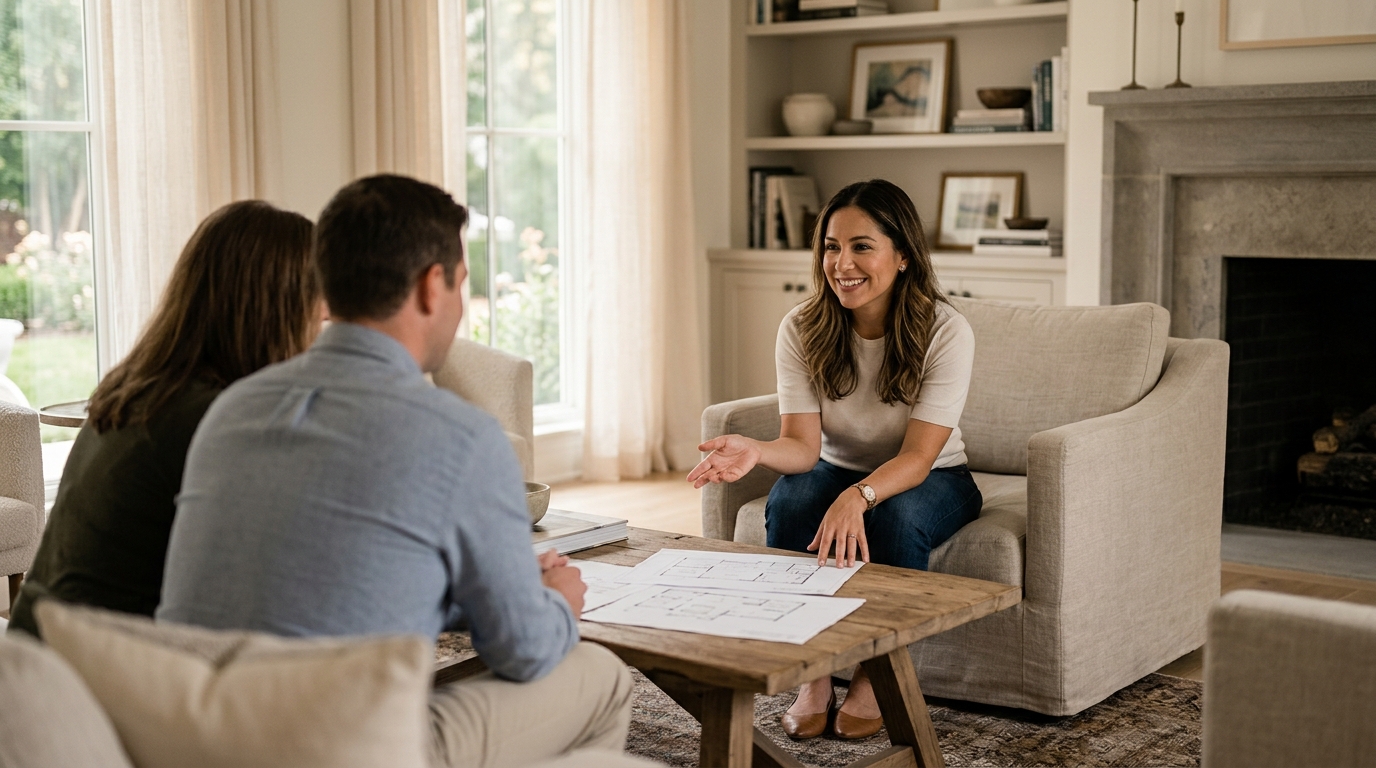
Homeowners frequently encounter spatial inefficiencies that reduce daily comfort and long-term property value. According to the National Association of Home Builders, over sixty percent of residential renovation projects experience initial layout conflicts that require professional intervention to resolve. These spatial conflicts often stem from outdated floor plans that ignore modern lifestyle demands. Addressing these issues requires a systematic approach to zoning, material selection, and lighting integration. This guide outlines proven methodologies for resolving the most persistent residential design challenges while maintaining aesthetic cohesion and functional efficiency. (About mdash Julieta Alvarez)
1. Poor Space Planning and Flow
Identifying Traffic Pattern Conflicts
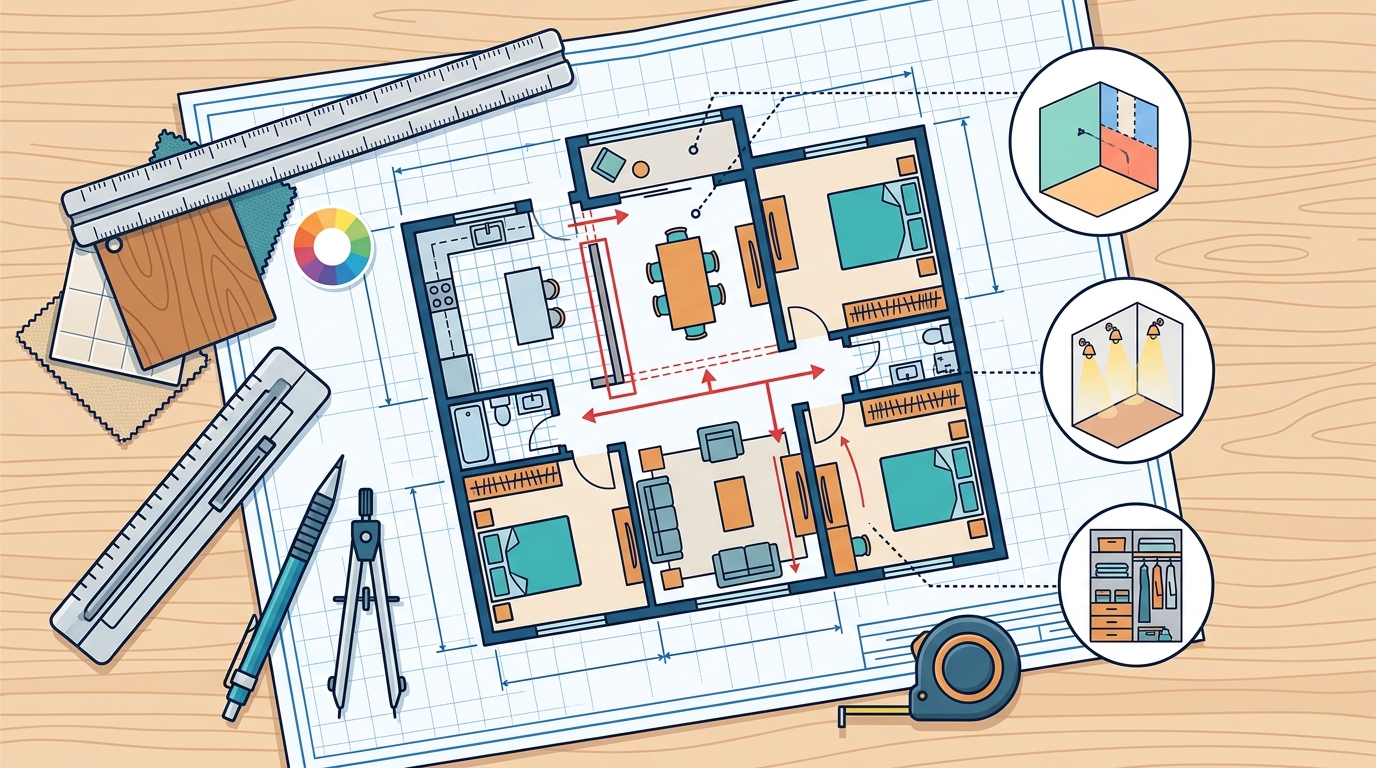
Space planning defines how occupants move through and utilize a given environment. Poor spatial planning is the systematic misalignment of architectural boundaries with human movement patterns. When doorways, hallways, and furniture arrangements create bottlenecks, daily routines become unnecessarily stressful. You can resolve these conflicts by mapping primary circulation routes before selecting any furnishings. Ensure that main pathways maintain a minimum width of thirty-six inches to accommodate comfortable passage. Remove oversized area rugs or bulky console tables that obstruct natural walking lanes. Reorienting seating clusters toward focal points rather than walls instantly improves conversational flow and visual balance.
Implementing Functional Zoning
Functional zoning divides open floor plans into distinct activity zones without relying on physical walls. You can establish clear boundaries by varying ceiling heights, adjusting flooring materials, or utilizing strategic lighting gradients. A dining area benefits from focused pendant illumination, while a reading nook requires softer ambient sources. Defining these zones prevents visual noise and allows each space to serve its intended purpose. This method is particularly effective in modern residential renovations where open concepts dominate contemporary architecture.
2. Inconsistent Lighting Strategies
Layering Ambient and Task Illumination
Lighting design dictates the mood, functionality, and perceived size of any interior space. Relying on a single overhead fixture creates harsh shadows and limits room usability. You must layer ambient, task, and accent lighting to achieve balanced illumination. Ambient sources provide general visibility, task lights support specific activities like cooking or reading, and accent fixtures highlight architectural details or artwork. Distributing light sources across multiple circuits allows flexible control over brightness levels throughout the day. This layered approach eliminates dark corners and reduces eye strain during extended periods of activity.
Correcting Color Temperature Imbalances
Color temperature measures the warmth or coolness of artificial light sources. Mixing incompatible color temperatures creates visual discord and disrupts circadian rhythms. You should standardize all bulbs within a single room to a consistent Kelvin rating, typically between two thousand seven hundred and three thousand Kelvin for residential settings. Cooler tones work well in home offices and kitchens, while warmer tones enhance relaxation in bedrooms and living areas. Consulting the American Society of Interior Designers confirms that standardized lighting schedules significantly improve occupant comfort and spatial perception.
3. Material Selection and Durability Mismatches
Evaluating High-Traffic Surface Requirements
Material selection determines the longevity, maintenance burden, and aesthetic character of a finished space. Choosing delicate finishes for high-traffic zones leads to premature wear and costly replacements. You must evaluate foot traffic volume, pet activity, and cleaning frequency before purchasing flooring or upholstery. Hardwood floors with matte finishes resist scratches better than high-gloss alternatives. Commercial-grade fabrics offer superior stain resistance while maintaining a luxurious hand feel. Matching material performance to actual usage patterns prevents premature degradation and preserves investment value.
Balancing Aesthetic Appeal with Maintenance
Aesthetic appeal drives initial purchasing decisions, but maintenance requirements dictate long-term satisfaction. Light-colored textiles showcase stains immediately, while dark surfaces reveal dust and pet hair more readily. You can balance visual impact with practical upkeep by selecting textured weaves, patterned rugs, and sealed stone countertops. Regular maintenance schedules should align with material specifications to avoid irreversible damage. This balance ensures that beautiful spaces remain livable and functional without constant professional intervention.
4. Storage Deficits and Clutter Accumulation
Integrating Custom Cabinetry Solutions
Storage deficits occur when built-in solutions fail to accommodate household inventory and daily essentials. Generic shelving units rarely match unique architectural dimensions or specific organizational needs. You should invest in custom cabinetry that utilizes every available inch of wall space and awkward corners. Drawers with internal dividers, pull-out pantry systems, and hidden compartments keep belongings organized and out of sight. Custom millwork transforms unused architectural voids into highly functional storage zones. This approach eliminates visual clutter and creates a streamlined, resort-like atmosphere.
Maximizing Vertical Space Utilization
Vertical space utilization addresses floor constraints by directing storage upward toward the ceiling. You can install floor-to-ceiling bookshelves, tall linen closets, or integrated appliance garages to preserve valuable floor area. Ladder access or built-in steps make upper shelves accessible without compromising safety. Vertical storage draws the eye upward, creating an illusion of height and spaciousness. This strategy is essential for compact urban residences and historic brownstone renovations where square footage remains limited.
5. Budget Overruns and Scope Creep
Establishing Realistic Financial Benchmarks
Budget overruns stem from inaccurate initial cost estimates and uncontrolled material upgrades. You must establish realistic financial benchmarks before selecting any fixtures or finishes. A detailed line-item budget should account for labor, materials, permits, and a fifteen percent contingency fund for unexpected structural issues. Tracking expenditures against this baseline prevents financial strain and keeps projects on schedule. Transparent financial planning ensures that aesthetic aspirations align with actual economic capacity.
Managing Contractor and Vendor Coordination
Scope creep happens when project boundaries expand without corresponding budget adjustments. You can prevent scope creep by defining clear deliverables, approval workflows, and change order procedures. A dedicated project manager coordinates architects, contractors, and suppliers to maintain timeline integrity. Regular progress meetings and documented approvals keep all stakeholders aligned with the original vision. This structured coordination minimizes delays and prevents costly rework or material waste.
Design Solution Comparison Matrix
| Common Problem | Primary Solution | Expected Outcome | Implementation Complexity |
|---|---|---|---|
| Poor Space Planning | Functional Zoning | Improved circulation and usability | Low |
| Inconsistent Lighting | Layered Illumination | Balanced mood and visibility | Medium |
| Material Mismatches | Performance-Based Selection | Extended lifespan and reduced maintenance | Medium |
| Storage Deficits | Custom Cabinetry | Clutter reduction and spatial expansion | High |
| Budget Overruns | Structured Project Management | Predictable costs and timeline adherence | Medium |
Key Takeaways
- Space planning requires thirty-six inch minimum pathway clearance for optimal circulation.
- Layered lighting combines ambient, task, and accent sources to eliminate harsh shadows.
- Standardized color temperatures between two thousand seven hundred and three thousand Kelvin improve visual comfort.
- Custom cabinetry maximizes vertical storage and conceals daily clutter effectively.
- Hardwood floors with matte finishes and commercial-grade fabrics resist high-traffic wear.
- Structural coordination prevents scope creep and maintains realistic financial benchmarks.
- Full-home renovation planning integrates all solutions into a cohesive design narrative.
Frequently Asked Questions
How do I fix a poorly planned open floor plan?
You can resolve open floor plan conflicts by establishing distinct functional zones using area rugs, ceiling treatments, and strategic furniture placement. Defining boundaries without physical walls preserves sightlines while improving daily usability.
What is the best lighting strategy for residential spaces?
Lighting strategy is the systematic integration of ambient, task, and accent illumination to create balanced visibility and mood. Layering multiple light sources prevents harsh shadows and allows flexible control over brightness levels throughout the day.
How do I choose durable materials for high-traffic areas?
You should evaluate foot traffic volume, pet activity, and cleaning frequency before purchasing flooring or upholstery. Hardwood floors with matte finishes and commercial-grade fabrics offer superior resistance to daily wear and tear.
What causes storage deficits in modern homes?
Storage deficits occur when built-in solutions fail to accommodate household inventory and daily essentials. Generic shelving units rarely match unique architectural dimensions or specific organizational needs.
How can I prevent budget overruns during a renovation?
You must establish realistic financial benchmarks before selecting any fixtures or finishes. A detailed line-item budget should account for labor, materials, permits, and a fifteen percent contingency fund for unexpected structural issues.
When should I hire a professional interior designer?
Professional intervention becomes necessary when spatial conflicts, material mismatches, or budget constraints threaten project success. A licensed designer coordinates contractors, suppliers, and architectural plans to ensure seamless execution.
How does custom cabinetry improve small spaces?
Custom cabinetry utilizes every available inch of wall space and awkward corners to maximize storage capacity. Drawers with internal dividers and pull-out pantry systems keep belongings organized while preserving valuable floor area.
Schedule Your Design Consultation
Resolving residential design challenges requires expertise, precision, and a clear vision. Our Montclair-based studio specializes in full-home renovations and refined residential interiors throughout New York and New Jersey. We transform spatial inefficiencies into functional, aesthetically pleasing environments that support modern living. Contact our studio today to schedule a comprehensive style discovery session and begin your transformation.