
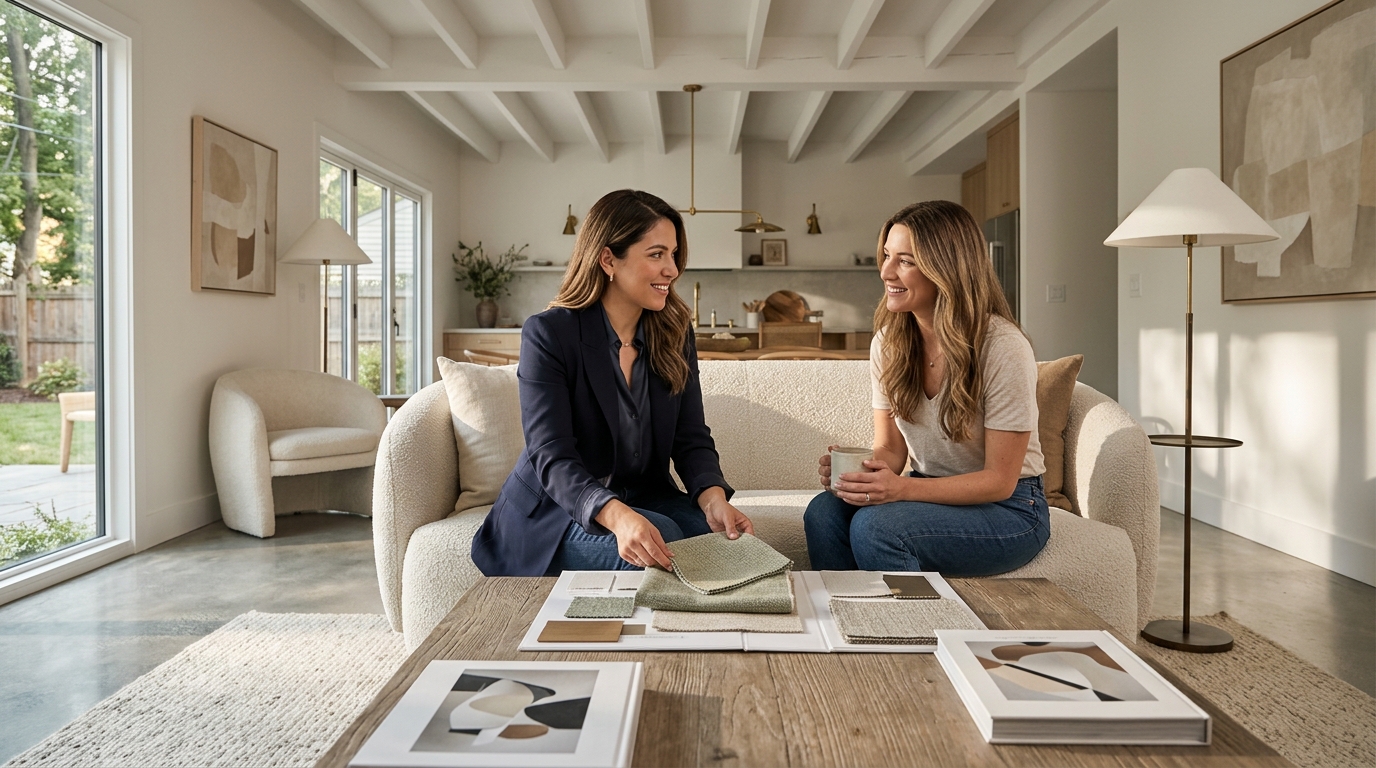
Transforming your home into a modern, cohesive living space takes more than picking a paint color and ordering a sofa. It requires a structured process that moves from discovery to installation, ensuring every detail supports the bigger picture. Whether you are refreshing a single room or tackling a full home renovation, understanding each phase helps you stay on budget, on schedule, and thrilled with the result. Below, we break down the essential steps professional designers follow to bring modern residential interiors to life.
Step 1: Style Discovery and Initial Consultation
Every successful interior design project begins with a conversation. A style discovery is the guided exploration a designer conducts to understand your aesthetic preferences, lifestyle needs, and functional requirements. At Julieta Alvarez Interiors, this starts with an in-depth session where Julieta explores your specific taste through what she calls a "self-discovery" process, figuring out what you truly love in terms of colors, furnishings, and overall feel.
During this phase, you will discuss your budget range, timeline expectations, and which rooms need attention. The designer also evaluates the architectural bones of your home to identify opportunities and constraints before any design work begins.
Step 2: Space Planning and Measurements
Space planning is the process of organizing furniture, fixtures, and circulation paths within a room to maximize both function and flow. According to Foyr, the first step in interior design execution is taking accurate measurements so the designer can plan every element around which the project will be built.
For residential projects, the Julieta Alvarez Interiors team begins by designing a flawless furniture plan and layout. When renovating an entire home, each room must flow smoothly into the next, creating visual and functional continuity throughout the space.
Step 3: Concept Development and Mood Boards
Once measurements are locked in, your designer translates your vision into a tangible concept. This typically involves creating mood boards that visualize colors, textures, materials, and furniture ideas in one cohesive presentation. A mood board is a visual collage that communicates the intended look and feel of a design before any purchases are made.
Modern residential design often blends contrasting elements. Julieta, for instance, is known for mixing new and old pieces, different textures, and wood and metal finishes to create spaces that feel chic yet warm. You will have the opportunity to review the draft and add or eliminate items before the project moves forward.
Step 4: Design Development and Material Selection
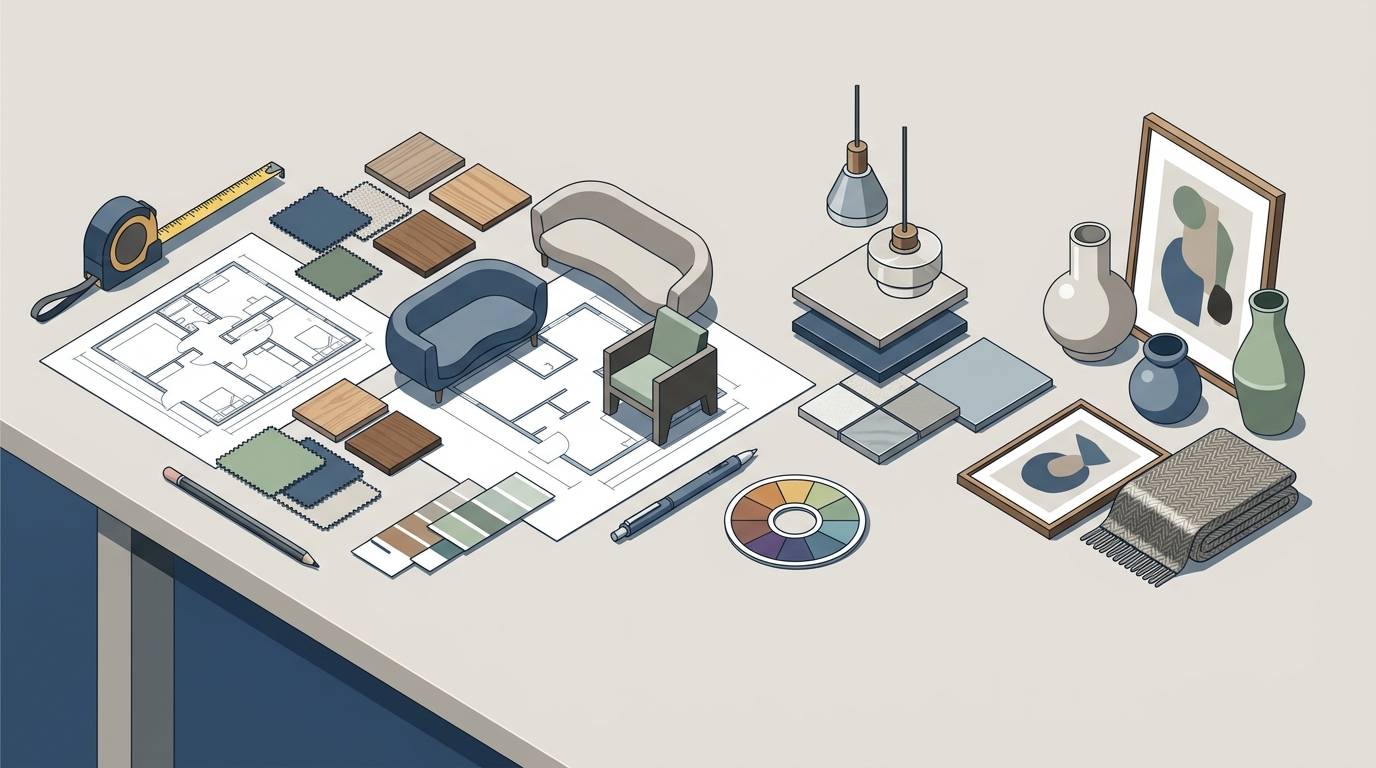
Design development is where the concept becomes specific. Your designer selects exact materials, finishes, lighting fixtures, window treatments, and furnishings. This phase also includes color consultation, where wall colors are chosen to complement the furniture, architecture, and natural light conditions.
Materials Commonly Specified in Modern Residential Design
| Category | Examples | Role in Modern Design |
|---|---|---|
| Flooring | Wide-plank hardwood, large-format tile | Creates clean, expansive visual lines |
| Countertops | Quartz, marble, concrete | Delivers sleek, low-maintenance surfaces |
| Lighting | Recessed LEDs, sculptural pendants | Layers ambient, task, and accent light |
| Wall Finishes | Matte paint, textured wallcoverings | Adds depth without visual clutter |
| Metals | Brushed brass, matte black steel | Introduces contrast and warmth |
Designers often source from top-rated home furnishing manufacturers to ensure quality and durability match the aesthetic vision.
Step 5: Procurement and Project Management
After final approvals, the designer handles ordering, tracking, and coordinating deliveries for every item in the plan. This step is where having a full-service firm makes a meaningful difference. From measuring to product ordering and from consultations to installations, a team like Julieta Alvarez Interiors manages all aspects of interior design logistics.
Good project management also means coordinating with contractors, electricians, and other trades. According to the QC Design School, small decorating projects can take a few weeks, while large renovations may require several months from start to finish.
Step 6: Implementation and Installation
Implementation is the construction and installation phase where drawings become reality. Walls get painted, cabinetry is fitted, flooring is laid, and custom millwork is installed. The designer remains on-site to supervise quality and ensure every detail aligns with the approved plans.
At Julieta Alvarez Interiors, the team keeps a keen eye on product deliveries and installations, ensuring deadlines are met and workmanship meets international-grade standards. Explore completed transformations in the firm's interior design portfolio.
Step 7: Final Styling and Reveal
The last step brings personality and life into the finished space. Final styling includes placing art, arranging accessories, adding greenery, and layering textiles like throw pillows and rugs. This is the phase that turns a well-designed room into a space that feels distinctly yours.
A modern residential interior should feel both curated and livable. The goal is a home that looks like it took years to build and refine, yet functions effortlessly for everyday life. Browse examples of this approach in projects like the warm transitional kitchen in Montclair or the luxury full home renovation in Scarsdale.
Key Takeaways
- Modern residential interior design follows seven structured phases, from style discovery through final styling.
- A thorough initial consultation sets the foundation for budget, timeline, and design direction.
- Accurate space planning ensures furniture layouts optimize both function and flow.
- Mood boards and concept presentations let you visualize the design before committing to purchases.
- Material selection in modern design emphasizes clean lines, quality finishes, and layered lighting.
- Full-service firms handle procurement, contractor coordination, and installation supervision to reduce client stress.
- Final styling with art, accessories, and textiles is what transforms a finished space into a personalized home.
Frequently Asked Questions
How long does a modern residential interior design project take?
Timelines vary significantly by scope. A single-room refresh may take a few weeks, while a whole-home renovation can span several months. Factors like custom fabrication, contractor schedules, and material lead times all affect the timeline.
What is a style discovery session?
A style discovery session is the first meeting between designer and client where preferences, lifestyle needs, and budget are discussed. It sets the creative direction for the entire project.
Do I need an interior designer for a modern home renovation?
While not required, a professional designer brings expertise in space planning, material sourcing, and project management that typically saves time, avoids costly mistakes, and produces a more cohesive result.
How much does residential interior design cost in New Jersey?
Costs depend on project scope, materials, and the designer's fee structure. Many firms offer flexible pricing, and as Julieta Alvarez believes, "style has no budget," meaning quality design is accessible at various investment levels.
What is a mood board in interior design?
A mood board is a visual tool that compiles colors, textures, materials, and furniture images into one presentation. It helps both the designer and client align on the aesthetic vision before moving into the purchasing phase.
Can I blend modern design with vintage or traditional elements?
Absolutely. Many leading designers, including Julieta Alvarez, specialize in blending new and old pieces, mixing textures and finishes to create spaces that feel modern yet warm and characterful.
What areas does Julieta Alvarez Interiors serve?
Julieta Alvarez Interiors serves clients across New Jersey, New York City, Westchester, and Connecticut. Popular service areas include Montclair, Short Hills, Ridgewood, Hoboken, Summit, and Scarsdale.
How do I get started with a modern interior design project?
The best first step is scheduling a consultation. You can reach out through the Julieta Alvarez Interiors contact page or call (917) 355-4414 to discuss your project.
Ready to Transform Your Home?
If you are planning a modern residential interior design project in New Jersey or the tri-state area, the team at Julieta Alvarez Interiors is ready to guide you from concept to completion. Schedule your consultation today and take the first step toward the home you have always envisioned.