
Steps to Implement a Modern Residential Interior Design
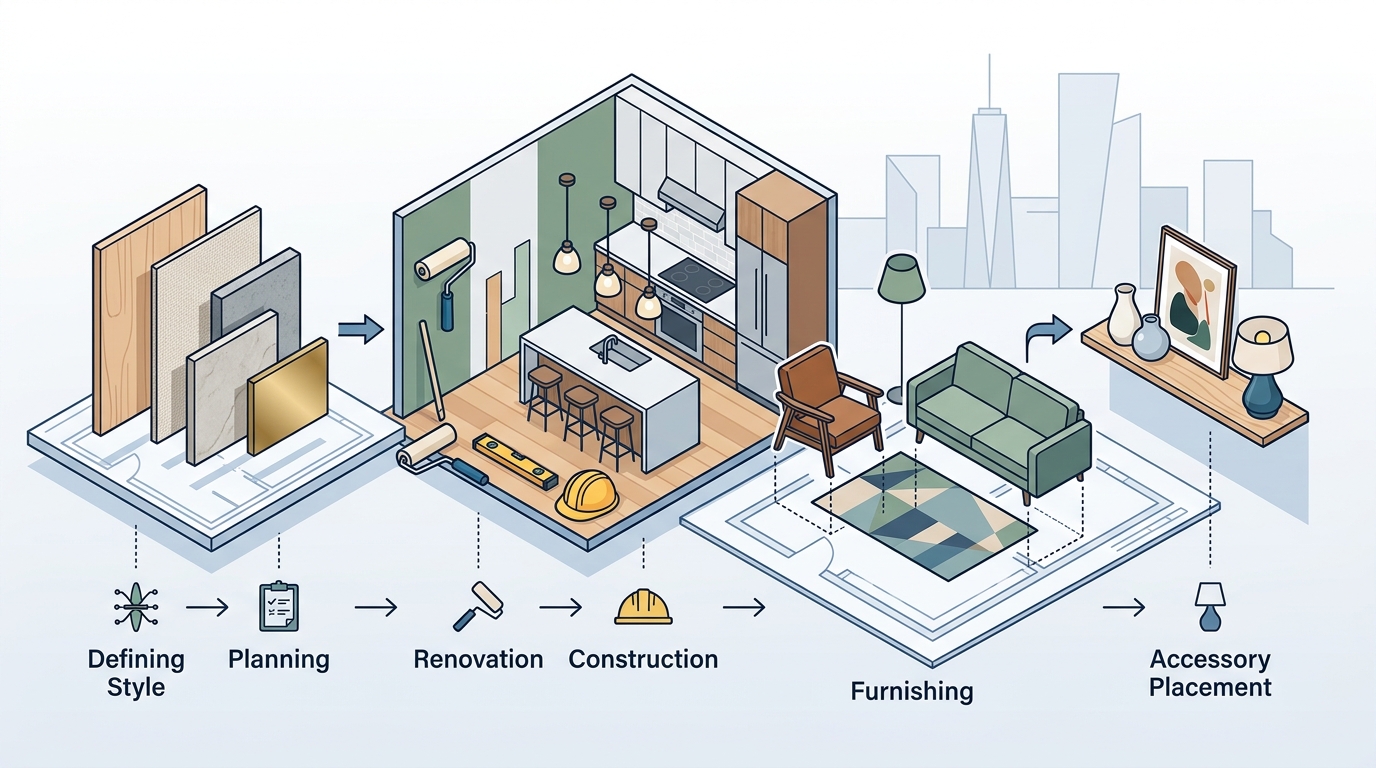
Transforming your home into a modern, stylish space does not happen by accident. It takes a clear process, from defining your personal style to the final accessory placement, to achieve a result that feels both fresh and livable. Whether you are renovating a single room or redesigning an entire house, following a structured approach keeps your project on budget, on schedule, and true to your vision. Below, we break down the essential steps to implement a modern residential interior design, with practical guidance drawn from over a decade of professional experience in the tri-state area.
Step 1: Define Your Style Through a Discovery Session
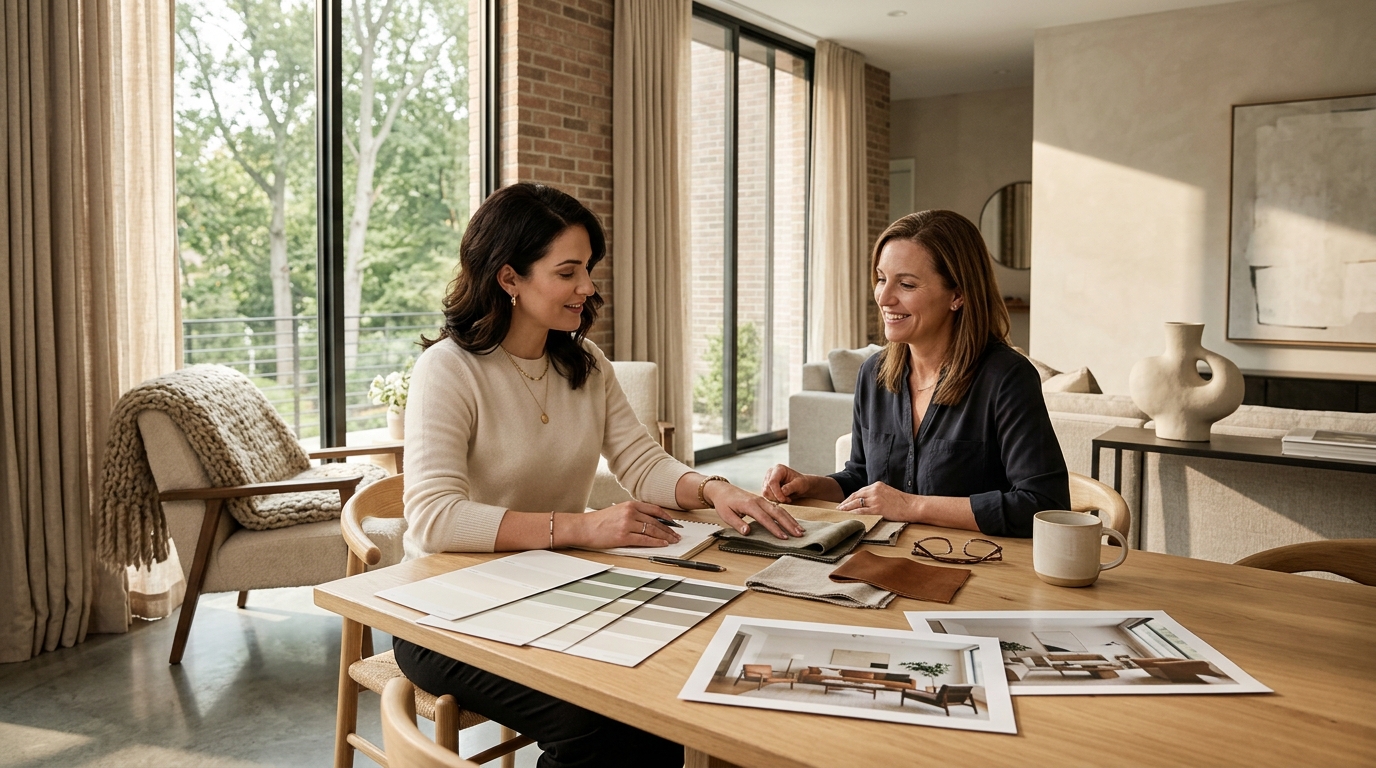
A style discovery session is a structured conversation between you and your designer to identify the colors, textures, and furnishings you gravitate toward. This is the foundation of every successful project. At Julieta Alvarez Interiors, the process begins with an in-depth exploration of your specific taste and needs to figure out what you truly love.
Gather inspiration from platforms like Pinterest, Instagram, and design magazines. Save images of rooms that resonate with you. A skilled designer will read patterns in your selections and translate them into a cohesive design direction that blends modern aesthetics with your personality.
Step 2: Set a Realistic Budget and Timeline
Budget planning is the process of allocating funds across categories like furniture, materials, labor, and contingencies. According to the Houzz 2024 Home Study, the median spend on a primary home interior renovation in the U.S. is approximately $22,000, though costs vary widely by scope and region.
A professional designer helps you prioritize where to invest. High-traffic areas like kitchens and living rooms often warrant the largest share. The philosophy that "style has no budget" means great design is achievable at multiple price points when guided by an experienced hand.
| Design Phase | Typical Budget Share | Timeline (Weeks) |
|---|---|---|
| Discovery and Planning | 5-10% | 1-2 |
| Floor Plan and Layout | 5% | 1-2 |
| Furnishing and Material Sourcing | 50-60% | 4-8 |
| Construction and Renovation | 20-30% | 4-12 |
| Styling and Accessories | 5-10% | 1-2 |
Step 3: Develop an Accurate Floor Plan
A floor plan is a bird's-eye-view diagram of your space that shows how each area will be utilized after the project is complete. It defines crucial parameters and provides clarity on the accessories and furnishings that can fit in your space. Creating a detailed floor plan before purchasing a single item prevents costly mistakes and ensures traffic flow feels natural.
Work with your designer to measure every room, note architectural features, and map electrical outlets and plumbing. If you are building new construction, the full home renovation approach means the designer partners directly with your architect to align the layout with aesthetic goals from day one.
Step 4: Choose Your Color Palette
Color consultation is the professional process of selecting wall colors, accent tones, and finishes that complement your furnishings, architecture, and natural light. Colors can make or break the overall appearance and mood of a space, which is why expert guidance matters.
Modern residential palettes in 2025 and 2026 lean toward warm neutrals, earthy greens, and soft terracottas paired with crisp whites. A specialized color consultant will suggest wall colors that complement the furniture and the amount of light each room receives, ensuring the palette feels cohesive throughout your home.
Step 5: Source Furnishings, Art, and Materials
Sourcing is the selection and procurement of furniture, textiles, art, and decorative items. This is typically the most time-intensive step, but also the most exciting. A full-service firm sources from trade vendors, artisan studios, and international suppliers to find pieces you would never discover on your own.
Furniture and Textiles
From sectionals to throw pillows, every item should serve both function and beauty. Explore the design portfolio for examples of how blending new and vintage pieces creates warmth in a modern context. Custom millwork and space-saving furniture are especially valuable in tri-state homes where square footage comes at a premium.
Art and Accessories
Artwork anchors a room and gives it soul. Source modern, vintage, and unique pieces from both domestic and international markets. The right accessories, including greenery, sculptural objects, and curated books, layer personality into every corner.
Step 6: Manage Execution and Installation
Once selections are finalized and orders placed, the focus shifts to project management. This includes coordinating deliveries, overseeing contractors, and ensuring every item is installed correctly. Designers who manage this phase from concept to final installation keep projects on track and reduce stress.
For kitchen and bathroom renovations, the designer works alongside your architect, contractors, and subcontractors to execute finishes, fixtures, and millwork seamlessly. Learn more about this collaborative approach on the kitchen renovation project page.
Step 7: Add Final Styling and Personal Touches
The last step is styling: arranging books, placing art, draping throws, and positioning accessories so each room feels complete and lived-in. This is where a trained eye makes the biggest difference. Each room should flow smoothly into the next, creating a cohesive whole rather than a series of disconnected spaces.
If you are only refreshing a single area, a single-room makeover can deliver dramatic impact without a full renovation. The key is treating every detail, from lamp height to pillow arrangement, as intentional.
Key Takeaways
- Start every project with a style discovery session to establish a clear design direction.
- Set your budget and timeline early, allocating the largest share to furnishings and materials.
- Develop a precise floor plan before purchasing anything to avoid costly errors.
- Choose your color palette with professional guidance to ensure harmony across rooms.
- Source furnishings from trade vendors and artisan studios for quality and uniqueness.
- Hire a designer who manages the full process from concept through installation.
- Final styling and personal touches turn a designed space into a home that feels authentically yours.
Frequently Asked Questions
How long does a full residential interior design project take?
A typical whole-home project takes 3 to 6 months from initial consultation to final styling. Single-room makeovers can be completed in 4 to 8 weeks depending on sourcing timelines and any construction involved.
Do I need an interior designer for a modern home renovation?
While not required, a professional interior designer brings trade access, spatial expertise, and project management skills that save time, money, and mistakes. Firms like Julieta Alvarez Interiors guide you from start to finish.
How much does residential interior design cost in New Jersey?
Costs vary widely based on scope. A single-room refresh may start around $5,000, while a full home renovation in northern New Jersey can range from $30,000 to $150,000 or more. Most designers offer customized plans to match different budgets.
What is included in a full-service interior design package?
Full-service typically includes style discovery, floor planning, color consultation, furnishing and material sourcing, project management, installation oversight, and final styling. View available design services for details.
Can I keep my existing furniture during a redesign?
Absolutely. A good designer will evaluate your current pieces and incorporate the ones that work into the new plan. This approach reduces cost and preserves items with sentimental value.
What areas does Julieta Alvarez Interiors serve?
The firm serves clients across the tri-state area including Montclair, Short Hills, Ridgewood, Glen Ridge, Hoboken, Princeton, and surrounding towns in New Jersey, as well as New York City, Westchester, and Connecticut. See all service locations.
How do I start the interior design process?
The first step is a simple consultation. Reach out via the contact page or call (917) 355-4414 to schedule an initial meeting where you will discuss your goals, budget, and timeline.
Ready to Transform Your Home?
Implementing a modern residential interior design is a step-by-step journey, and having the right partner makes all the difference. Contact Julieta Alvarez Interiors today to schedule your style discovery session and take the first step toward the home you have always envisioned.