
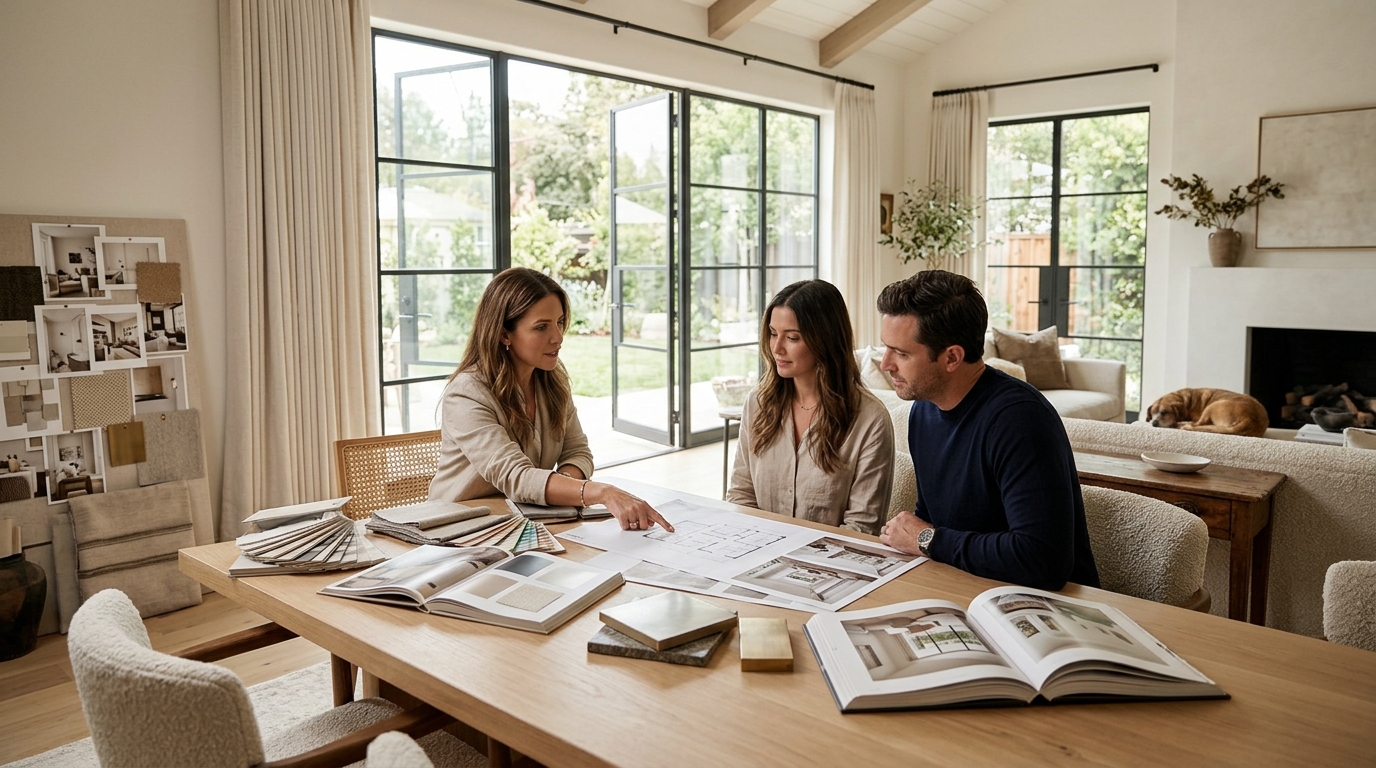
Transforming your home into a modern, cohesive living space takes more than picking out furniture and paint swatches. Modern residential interior design is a structured process that balances aesthetics, functionality, and personal expression. Whether you are renovating a single room or reimagining an entire house, following a clear sequence of steps keeps your project on budget and on schedule. Below, we walk through each phase of the design process so you can approach your next project with confidence and clarity, from the very first inspiration to the final styling touch.
Step 1: Define Your Vision and Style
Style discovery is the process of identifying your aesthetic preferences, lifestyle needs, and design personality before any purchasing decisions are made. Professional designers often begin with an in-depth consultation to explore what you truly love, whether that involves wall paint colors, specific furnishings, or a particular mood for each room.
At Julieta Alvarez Interiors, this phase is called the "self-discovery" step, designed to uncover your tastes and translate them into a cohesive design direction. Gathering inspiration from platforms like Pinterest, Instagram, and design publications helps you communicate your vision clearly to your designer.
Step 2: Set a Realistic Budget
A design budget is an itemized financial plan that allocates funds across every category of your project, from structural work to decorative accessories. According to the National Association of Home Builders, kitchen and bathroom renovations consistently deliver strong return on investment, making them smart places to allocate resources.
A flexible, client-centric firm will work with a range of budgets. As Julieta Alvarez puts it, "style has no budget." The key is prioritizing where dollars go: invest in high-traffic areas like kitchen renovations and bathrooms first, then layer in decorative elements over time.
Step 3: Develop an Accurate Floor Plan
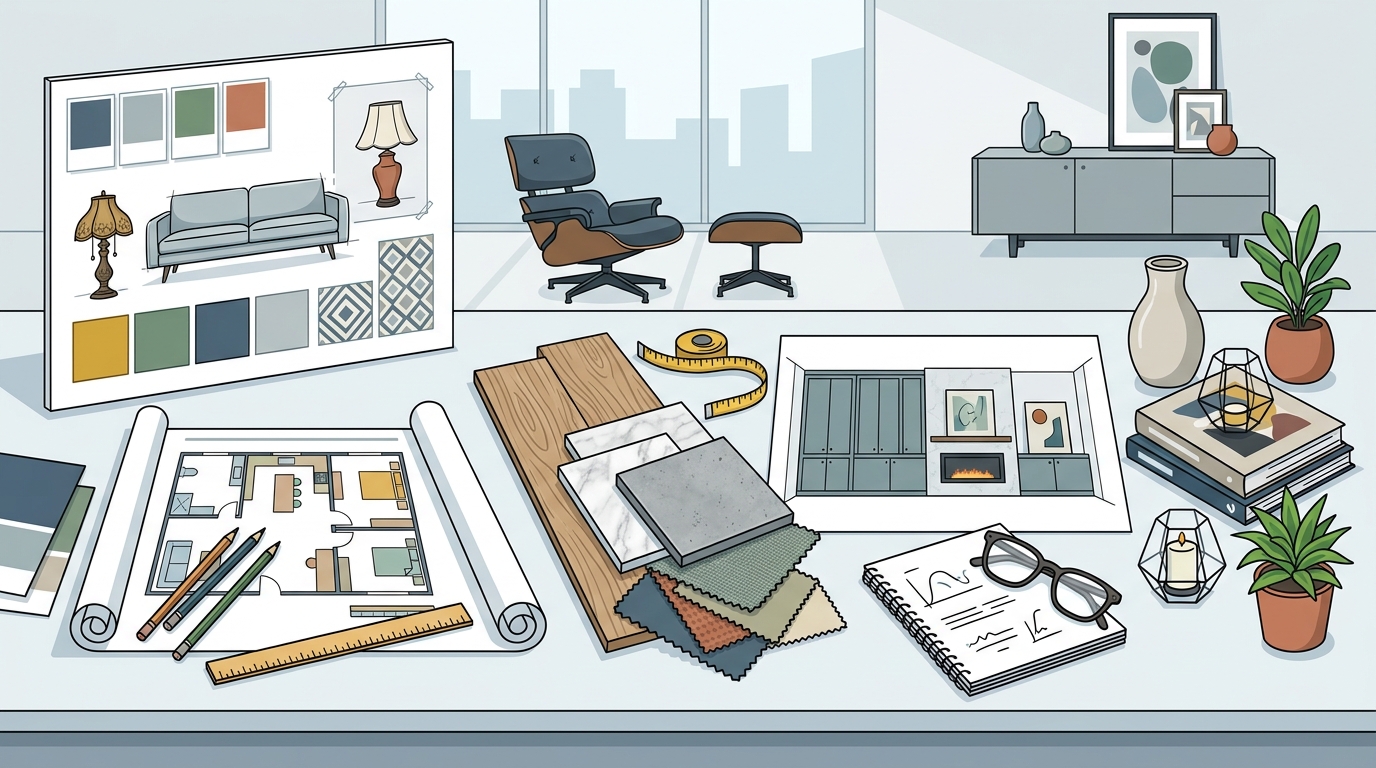
A floor plan is a scaled diagram showing the arrangement of rooms, furniture, and circulation paths within a space. It serves as the blueprint for your entire project and prevents costly mistakes during installation.
Why Floor Plans Matter
An accurate floor plan defines how each area will be used and determines the dimensions for furnishings, rugs, and fixtures. Professional designers develop these plans to offer complete clarity on what fits and what does not, ensuring a practical result.
Working with Your Architect
For larger renovations like a full home renovation, your interior designer should coordinate directly with your architect and contractors to align structural changes with aesthetic goals.
Step 4: Choose Colors and Materials
Color consultation is a service in which a trained designer recommends paint colors, finishes, and material palettes that complement your home's architecture and natural light. Colors can make or break the overall appearance and mood of your space, so professional guidance is invaluable here.
A skilled color consultant will suggest wall colors that complement your furniture, the architecture of your home, and the amount of light each room receives. Modern design often favors neutral foundations with strategic accent colors to add warmth and visual interest.
Step 5: Source Furnishings, Art, and Accessories
Sourcing involves selecting and procuring every physical element that fills a room, from large sectionals to throw pillows. A full-service design firm sources from trade-only vendors, custom workshops, and international artisan markets to find pieces that fit your vision and budget.
Blending Old and New
Modern residential design thrives when it blends new and old pieces, different textures, and varied finishes to create spaces that feel chic yet warm. Vintage finds layered with contemporary furniture give a room character and depth that catalog shopping alone cannot achieve.
Custom and Trade-Only Options
Working with a firm like Julieta Alvarez Interiors' design services gives you access to trade-exclusive vendors, custom millwork, and made-to-order items that are not available to the general public.
Step 6: Execute the Design with Professional Oversight
Once the plan is approved, execution begins. This phase includes ordering materials, scheduling deliveries, coordinating with contractors and subcontractors, and managing timelines. Professional oversight ensures that product deliveries and installations happen on schedule and that the design intent is preserved throughout construction.
For projects spanning multiple rooms, cohesion is critical. Each room should flow smoothly into the next, a result that requires careful project management from start to finish. Explore how this works in practice through projects like the eclectic living and family room design in Montclair.
Step 7: Final Styling and Personal Touches
The last step brings the space to life. Styling includes arranging accessories, hanging art, adding textiles like throw pillows and blankets, and placing decorative objects that reflect your personality. This is where a well-designed room becomes truly yours.
A comprehensive design process moves from initial inspiration through to these finishing touches, and that is the difference between a room that looks decorated and one that feels like home. See finished examples in the Julieta Alvarez Interiors portfolio.
DIY vs. Professional Design: A Quick Comparison
| Factor | DIY Approach | Professional Interior Designer |
|---|---|---|
| Time Investment | High; research, shopping, and coordination fall on you | Managed by the designer from concept to installation |
| Budget Control | Risk of costly mistakes and impulse buys | Itemized budget plan with trade pricing access |
| Access to Trade Resources | Limited to retail | Trade-only vendors, custom millwork, exclusive lines |
| Design Cohesion | Can feel disjointed across rooms | Cohesive, room-to-room flow ensured |
| ROI on Renovation | Variable | Higher; professional designs add measurable home value |
Key Takeaways
- Start every project with a thorough style discovery session to define your vision before purchasing anything.
- Set a clear, itemized budget and prioritize high-impact spaces like kitchens and bathrooms.
- Develop an accurate floor plan early to avoid costly changes during execution.
- Hire a professional color consultant to ensure your palette works with your home's architecture and light.
- Source furnishings from a mix of trade vendors, custom workshops, and vintage markets for a layered, modern look.
- Maintain professional oversight during execution to keep timelines and design intent on track.
- Finish with intentional styling that reflects your personality and ties the entire home together.
Frequently Asked Questions
What is modern residential interior design?
Modern residential interior design is an approach that emphasizes clean lines, functional layouts, and a curated mix of contemporary and vintage elements to create comfortable, visually appealing homes.
How long does a full home interior design project take?
Timelines vary by scope. A single-room refresh may take four to six weeks, while a full home renovation typically requires three to six months or more depending on structural work involved.
How much does it cost to hire an interior designer in New Jersey?
Costs depend on project scope and the designer's fee structure. Many firms, including Julieta Alvarez Interiors, offer flexible pricing and work with a range of budgets to deliver competitive results.
Do I need an interior designer for a small project?
Even single-room makeovers benefit from professional input. A designer brings space planning expertise, trade-only sourcing, and a trained eye for color and proportion that elevates any size project.
What is a style discovery session?
A style discovery session is an initial consultation where your designer explores your taste, lifestyle, and preferences to build the creative foundation for your project.
Can I keep my existing furniture during a redesign?
Yes. A skilled designer can integrate your existing decor with new pieces to refresh a space without starting from scratch, saving both time and money.
What areas does Julieta Alvarez Interiors serve?
Julieta Alvarez Interiors serves clients across the tri-state area, including Montclair, Short Hills, Ridgewood, Glen Ridge, Hoboken, Princeton, and surrounding New Jersey towns, as well as New York City, Westchester, and Connecticut. Contact the team to discuss your project.
Why is floor planning important in interior design?
A floor plan defines spatial relationships, furniture scale, and traffic flow. Without one, you risk purchasing items that do not fit or creating layouts that feel cramped and impractical.
Ready to Start Your Modern Design Project?
If you are planning a renovation or refresh in New Jersey or the greater tri-state area, the team at Julieta Alvarez Interiors is ready to guide you from style discovery to final installation. Schedule your consultation today and take the first step toward a home that truly reflects who you are.