
Transforming a house into a home that feels both modern and deeply personal takes more than picking out a few throw pillows. Modern residential interior design is a structured process that blends creative vision with practical planning, moving from initial conversations all the way through final styling. Whether you are refreshing a single room or undertaking a full home renovation, understanding each step helps you stay on budget, on schedule, and thrilled with the result. Below, we break down the essential stages so you know exactly what to expect when working with a professional designer.
Step 1: Discovery and Initial Consultation
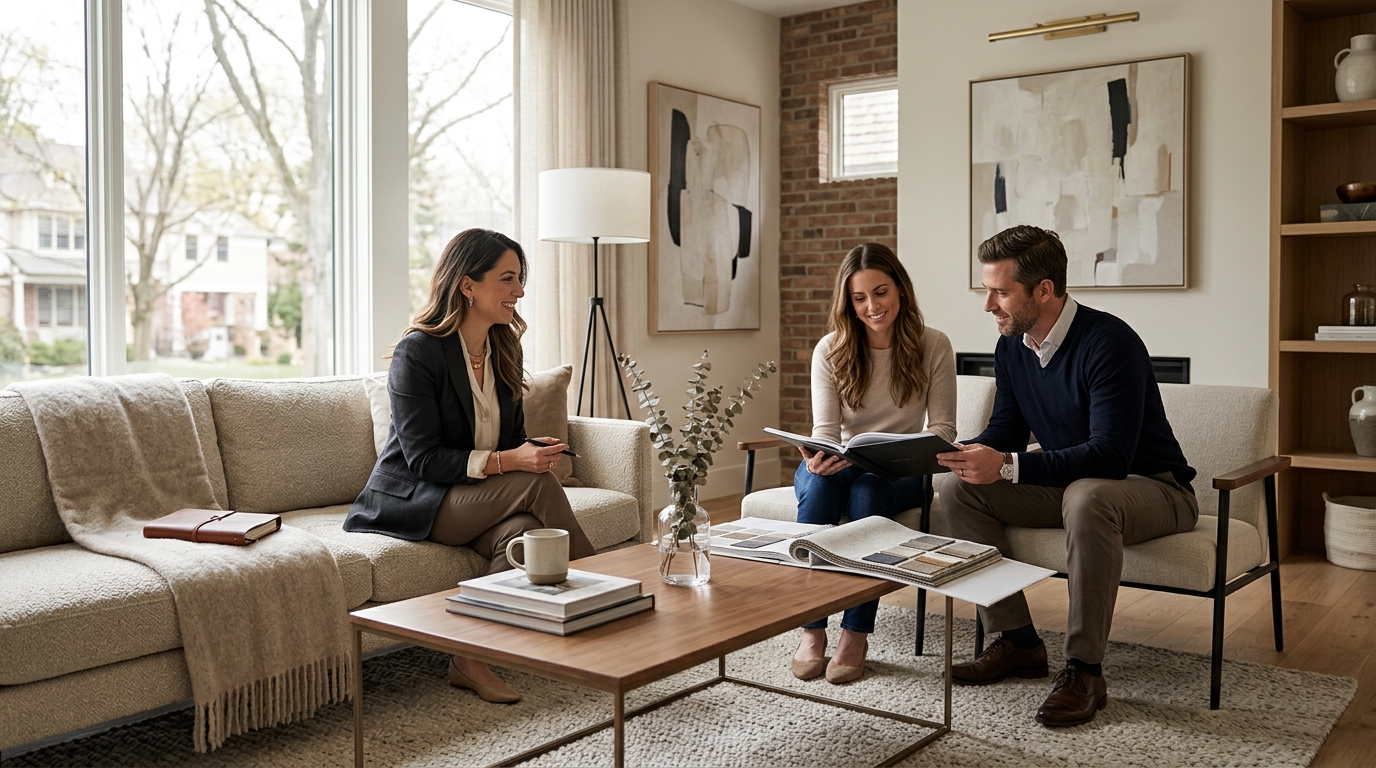
A discovery consultation is the foundational meeting where a designer learns about your lifestyle, goals, and budget before making any design decisions. At Julieta Alvarez Interiors, this begins with an in-depth "style discovery" that uncovers what you truly love, from wall colors to furnishing preferences.
During this phase, the designer measures the space, takes photos, and asks targeted questions about how each room functions. According to the QC Design School, most professional designers follow seven key stages starting with consultation and ending with final styling. Getting clarity here prevents costly changes later.
Step 2: Concept Development
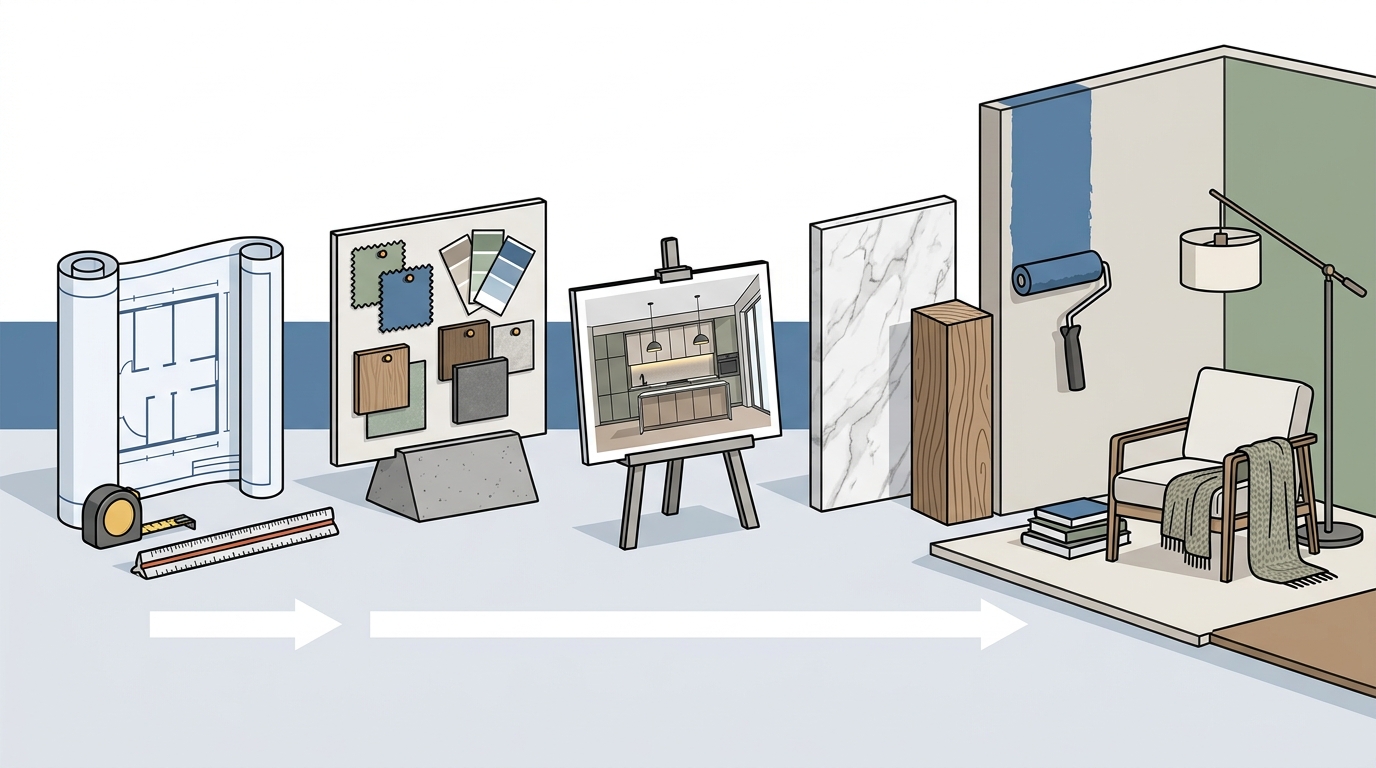
Concept development is the creative phase where your designer translates early conversations into visual direction through mood boards, color palettes, and fabric samples. This is where the overall aesthetic takes shape.
Defining Your Style
Popular modern residential styles in 2025 and 2026 include minimalism, Japandi, and vintage revival. Julieta Alvarez is known for blending new and old pieces, different textures, and mixed finishes to create spaces that feel chic yet warm. If you love eclectic design, explore her eclectic living room project in Montclair for inspiration.
Setting a Realistic Budget
Your concept should align with what you can invest. A good designer presents options at multiple price points, sourcing from trade vendors as well as retail, so the design vision never outpaces the budget.
Step 3: Space Planning and Floor Plans
Space planning is the discipline of arranging rooms and furniture to optimize flow, function, and comfort. Your designer develops an accurate floor plan that defines how each area will be used, accounting for circulation patterns and natural light.
Modern designers rely on digital tools like AutoCAD and SketchUp to test furniture arrangements and lighting placement before anything is built. This step bridges creativity and practicality, ensuring every room functions as beautifully as it looks. See how thoughtful planning works in a Montclair living room design by Julieta Alvarez Interiors.
Step 4: Design Development and Material Selection
During design development, conceptual ideas are translated into detailed, build-ready plans. The designer refines layouts and prepares technical documents that contractors can follow, including elevations and 3D renderings.
Choosing Materials and Finishes
Material selection considers aesthetic appeal, durability, and maintenance requirements. For kitchens, this means specifying countertops, cabinetry finishes, and hardware. Explore a real-world example in this warm transitional kitchen in Montclair.
Color Consultation
Color consultation is a specialized service where a designer recommends wall colors that complement the furniture, architecture, and natural light in your home. The right palette can make or break the mood of any room, and Julieta Alvarez offers dedicated color consulting as part of her process.
Step 5: Procurement and Sourcing
Procurement is the stage where the designer sources and purchases all furniture, fixtures, art, and accessories specified in the plan. This includes everything from a sectional sofa down to throw pillows and rugs.
A full-service firm like Julieta Alvarez Interiors works closely with leading furniture manufacturers and trade-only vendors to guarantee quality and value. The firm also provides custom millwork and cabinetry options for clients who want one-of-a-kind details.
Step 6: Implementation and Installation
Implementation is where the design comes to life. The designer coordinates with contractors, subcontractors, and vendors to execute construction, deliveries, and installations on schedule.
According to Sean Symington Interior Design, excellent project management and clear communication are essential during this stage to handle challenges efficiently. A professional designer oversees every element, ensuring it is installed according to the design plan.
Step 7: Final Styling and Reveal
The final styling phase adds the finishing touches that make a space feel complete and uniquely yours. Accessories, textiles, art, and personal items bring character and warmth to every corner.
This is the moment when months of planning pay off. Furniture placement, art hanging, and decorative styling happen in real time, with the designer on site to ensure everything looks cohesive. Browse the Julieta Alvarez Interiors portfolio to see the difference final styling makes.
Comparing DIY vs. Professional Design
| Factor | DIY Approach | Professional Designer |
|---|---|---|
| Cost Control | Lower upfront fees | Trade discounts often offset design fees |
| Time Investment | High; research and coordination fall on you | Low; designer manages timeline |
| Access to Trade Resources | Limited to retail | Exclusive trade-only vendors and showrooms |
| Space Planning Expertise | Trial and error | Measured, software-driven layouts |
| Project Management | Self-managed | Coordinated with contractors and vendors |
| Risk of Costly Mistakes | Higher | Significantly lower |
According to HomeAdvisor data cited by Craft'n Build, 38% of homeowners regret not seeking professional help during their projects.
Key Takeaways
- Modern residential interior design follows a structured seven-step process from discovery through final styling.
- A thorough discovery consultation prevents costly mid-project changes and keeps the design aligned with your lifestyle.
- Space planning uses digital tools like AutoCAD and SketchUp to optimize layouts before construction begins.
- Material and color selection should balance aesthetics, durability, and budget.
- Professional procurement gives you access to trade-only vendors and custom options unavailable at retail.
- Hiring a full-service designer reduces risk, saves time, and delivers a cohesive result.
- Final styling is the critical last step that transforms a well-planned room into a home that feels complete.
Frequently Asked Questions
How long does a modern residential interior design project take?
Timelines vary based on scope. A single-room makeover may take a few weeks, while a full home renovation can span several months from initial consultation to final reveal.
What is a style discovery in interior design?
A style discovery is an in-depth session where the designer explores your preferences, lifestyle, and aesthetic taste to build a personalized design foundation. Julieta Alvarez Interiors uses this approach at the start of every project.
How much does it cost to hire an interior designer in New Jersey?
Costs depend on the project scope, materials, and the designer's fee structure. Many firms, including Julieta Alvarez Interiors, offer flexible pricing and work with a range of budgets.
Do I need an interior designer for a kitchen renovation?
While not required, a designer brings expertise in layout optimization, material selection, and contractor coordination that can save money and avoid mistakes. Kitchen projects benefit greatly from professional space planning.
What software do interior designers use for floor plans?
Common tools include AutoCAD, SketchUp, Revit, and Roomstyler. These programs allow designers to create accurate layouts and realistic 3D renderings for client review.
Can an interior designer work with my existing furniture?
Yes. Many designers, including Julieta Alvarez, incorporate existing pieces into updated layouts, supplementing with new items only where needed to achieve a cohesive look.
What areas does Julieta Alvarez Interiors serve?
The firm serves clients across New Jersey towns including Montclair, Short Hills, Hoboken, Ridgewood, and Princeton, as well as New York City, Westchester, and Connecticut.
What is the difference between an interior designer and a decorator?
An interior designer is a trained professional who addresses both the structural layout and aesthetic elements of a space, while a decorator typically focuses on surface-level styling such as furnishings and accessories.
Ready to Start Your Modern Interior Design Project?
If you are ready to transform your home with a structured, stress-free design process, contact Julieta Alvarez Interiors to schedule your discovery consultation. With over a decade of experience and a client-first philosophy, Julieta and her team will guide you from concept to reveal with confidence.