
Transforming your home with a modern residential interior design requires more than picking out a few trendy pieces. It is a structured, step-by-step process that moves from initial inspiration to a finished space you love walking into every day. Whether you are planning a full home renovation or refreshing a single room, understanding the stages involved helps you stay on budget, avoid costly mistakes, and achieve results that truly reflect your personality. Below, we break down the essential steps that professional designers follow to bring modern residential interiors to life.
Step 1: Initial Consultation and Style Discovery
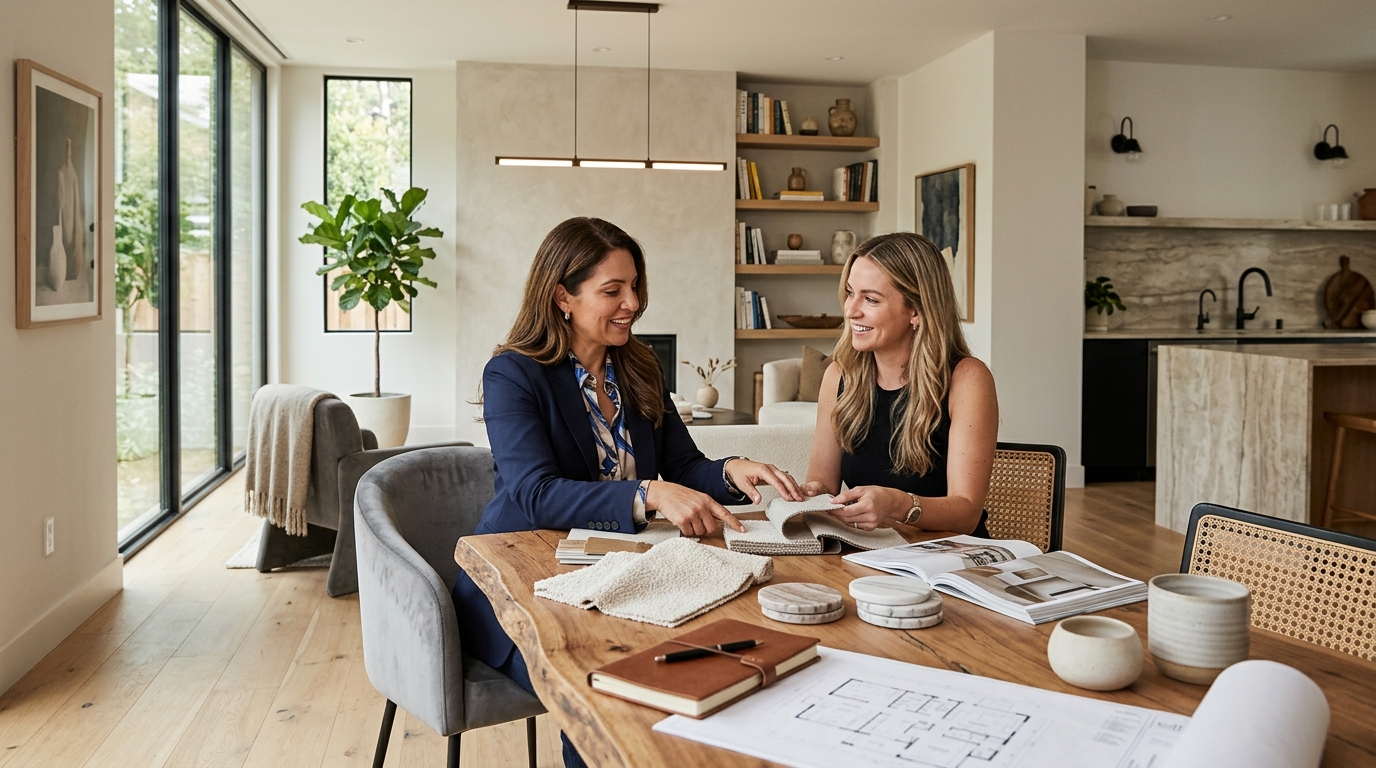
Every successful design project begins with a conversation. A style discovery is the exploratory phase where your designer learns about your lifestyle, preferences, and functional needs before any design decisions are made. At Julieta Alvarez Interiors, Julieta conducts an in-depth "style discovery" to explore your specific taste and figure out what you truly love, whether it is a particular wall color, furnishing, or overall aesthetic.
During this meeting, the designer measures the space, takes photographs, and evaluates existing architectural features. Come prepared with inspiration images, a list of must-haves, and a realistic budget range. The more you share, the more personalized the outcome.
Step 2: Space Planning and Floor Plans
A floor plan is a scaled drawing that defines how each area of your home will be used, including furniture placement, circulation paths, and lighting positions. Thoughtful space planning bridges creativity and practicality, ensuring that every room functions as beautifully as it looks.
Professional designers use tools such as AutoCAD and SketchUp to draft precise layouts. At Julieta Alvarez Interiors, the team develops an accurate floor plan that defines parameters for accessories, artifacts, and furnishings suited to the space. This step is especially valuable for living room designs and open-concept layouts.
Step 3: Concept Development and Mood Boards
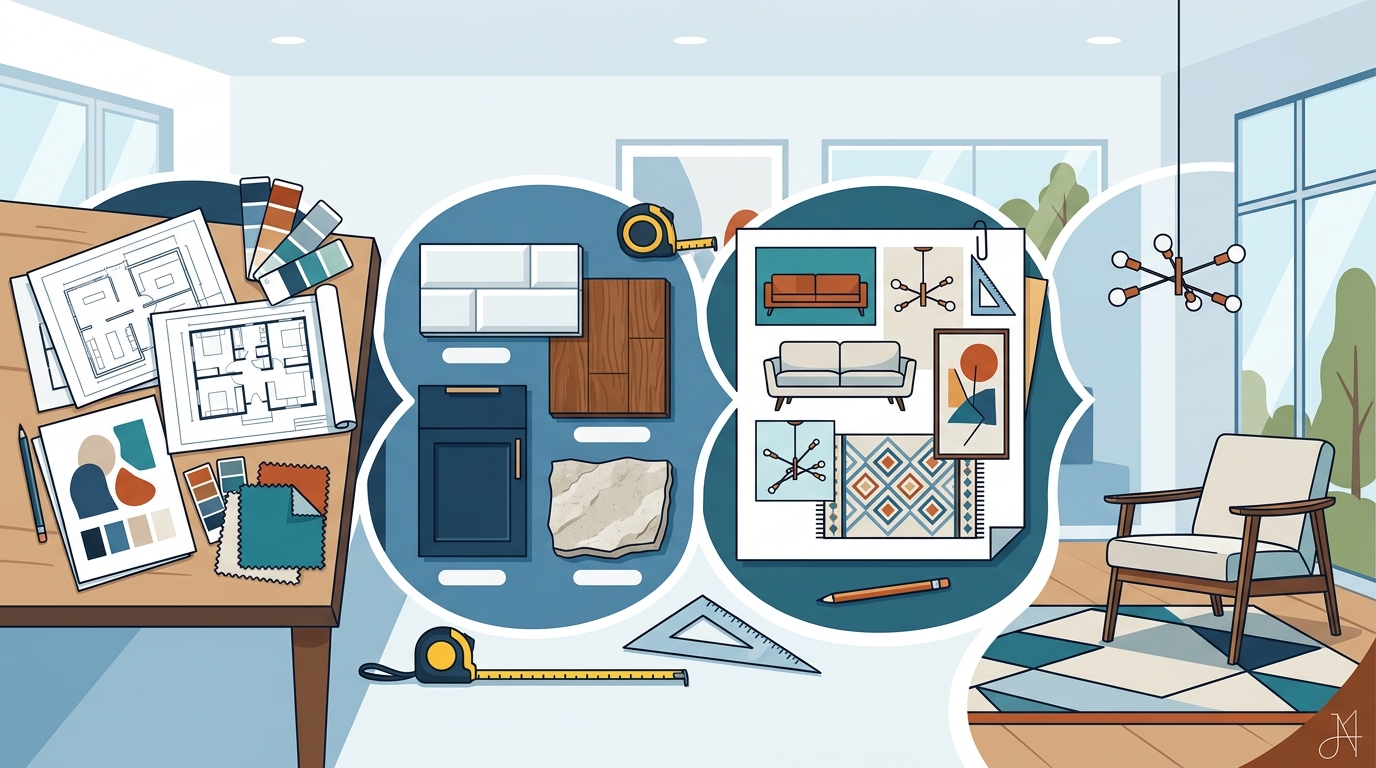
Concept development is the creative phase where your designer translates discovery insights into a visual direction. Expect mood boards, preliminary color palettes, fabric samples, and rough sketches during this stage.
Modern Design Trends to Consider
In 2025 and 2026, popular modern residential styles include minimalism, Japandi, and biophilic design, each offering a distinct mood. Textured walls using limewash and decorative plaster are a standout trend, offering tactile appeal and subtle color variation that feels both current and timeless.
Blending Old and New
A hallmark of modern residential design is mixing eras. Julieta Alvarez is known for blending new and old pieces, different textures, and wood and metal finishes to make a space feel chic and modern, yet warm and comfortable. This layered approach prevents rooms from feeling sterile.
Step 4: Material and Furnishing Selection
Material selection is the process of choosing finishes, fabrics, fixtures, and furnishings that align with the approved concept. Considerations include aesthetic appeal, durability, maintenance requirements, and budget.
A full-service firm sources everything from the largest items, like a sectional, to the smallest details, like throw pillows. Julieta Alvarez Interiors works with leading furniture manufacturers and also provides custom millwork and cabinetry for kitchen and bathroom projects. Depending on your budget, items are sourced from trade-only vendors or retail partners.
Step 5: Visualization and Client Approval
Before any construction begins, designers create 3D renderings or virtual walkthroughs so you can see exactly how the finished space will look. According to the Interior Design Institute, these visualizations offer a realistic preview and are critical for gathering client feedback and making necessary adjustments.
This is your opportunity to request changes before procurement begins, saving both time and money.
Step 6: Implementation and Installation
Implementation is the phase where approved plans are handed off to contractors and tradespeople. Your designer coordinates timelines, manages deliveries, and conducts site visits to ensure quality. For kitchen renovations and bathroom remodels, this stage includes overseeing surface materials, fixtures, and millwork installation.
Timeline Expectations
Small decorating projects can take a few weeks, while large-scale renovations or new builds often require 12 to 18 months from start to finish. Seasonal factors and custom-order lead times can add variability.
Step 7: Final Styling and Reveal
The reveal is the moment your home is fully styled and ready to live in. Designers place art, arrange accessories, fluff pillows, and make real-time adjustments. This finishing layer is what separates a professionally designed space from a furnished room.
Browse the Julieta Alvarez Interiors portfolio to see completed projects across New Jersey, New York, and Connecticut that showcase these finishing touches in action.
Comparing DIY vs. Professional Interior Design
| Factor | DIY Approach | Professional Design |
|---|---|---|
| Cost Control | Lower upfront fees | Trade discounts often offset design fees |
| Time Investment | High; research and coordination fall on you | Designer manages procurement and contractors |
| Access to Resources | Retail only | Trade-only vendors, custom fabrication, artisan networks |
| Avoiding Mistakes | Trial and error common | Structured process reduces costly errors |
| Cohesive Result | Risk of disjointed rooms | Whole-home design ensures rooms flow together |
According to HomeAdvisor, 38% of homeowners regret not seeking professional help during their projects, underscoring the value of expert guidance.
Key Takeaways
- Modern residential interior design follows seven core steps: consultation, space planning, concept development, material selection, visualization, implementation, and final styling.
- A style discovery session at the start ensures the finished home reflects your unique personality and lifestyle.
- Floor plans and 3D renderings prevent costly mistakes by allowing you to approve designs before construction begins.
- Blending new and vintage pieces, mixed textures, and varied finishes is a defining feature of modern design.
- Professional designers provide access to trade-only resources and handle complex project management.
- Small projects may take just weeks; full renovations can span 12 to 18 months.
- Choosing a full-service firm like Julieta Alvarez Interiors means support from concept through installation.
Frequently Asked Questions
What is modern residential interior design?
Modern residential interior design is an approach to home interiors that emphasizes clean lines, functional layouts, and a curated blend of contemporary and timeless elements. It prioritizes comfort alongside aesthetics.
How long does a full interior design project take?
Small decorating projects can be completed in a few weeks, while large renovations may take several months to over a year depending on scope, custom orders, and contractor availability.
How much does it cost to hire an interior designer in New Jersey?
Costs vary widely based on project scope. Many designers offer flexible pricing, and trade discounts on furnishings can offset design fees. Julieta Alvarez Interiors works with clients of all budgets under the philosophy that "style has no budget."
Do I need an interior designer for a single room?
Yes. Even a single-room makeover benefits from professional space planning, color consultation, and access to trade resources. A designer ensures the room connects cohesively with the rest of your home.
What is a style discovery session?
A style discovery session is an in-depth meeting where your designer explores your taste, lifestyle, and functional needs to establish a creative direction before any design work begins.
What tools do interior designers use for visualization?
Designers commonly use AutoCAD, SketchUp, Revit, and 3ds Max for renderings. Some also use augmented reality apps to walk clients through designs virtually before construction starts.
Can I blend different design styles in one home?
Absolutely. Mixing styles, textures, and eras is a hallmark of modern design. The key is maintaining a cohesive color palette and repeating materials across rooms so the spaces flow into one another.
What areas does Julieta Alvarez Interiors serve?
Julieta Alvarez Interiors serves clients across New Jersey, including Montclair, Short Hills, Ridgewood, and Princeton, as well as New York City, Westchester, and Connecticut.
Get Started With Your Modern Design Project
Ready to transform your home? Contact Julieta Alvarez Interiors today to schedule your complimentary style discovery session. With over a decade of experience serving the tri-state area, Julieta and her team will guide you from first idea to final reveal, creating a modern, comfortable space that is uniquely yours.